The Utopian Dawn
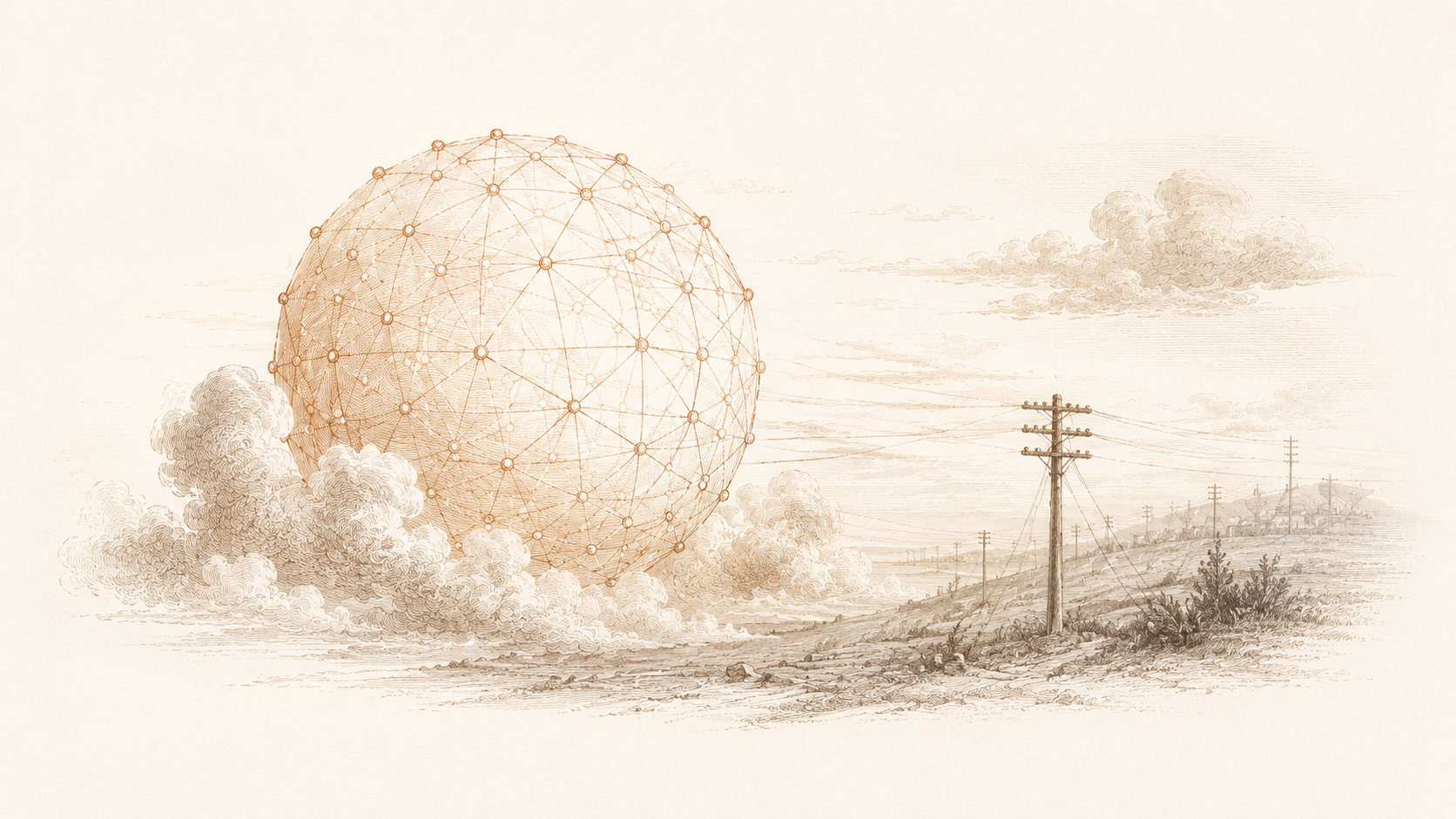
The "End of History" illusion and the Clintonian Wager: How early internet optimism assumed the non-rival nature of digital ideas would inevitably dissolve borders.
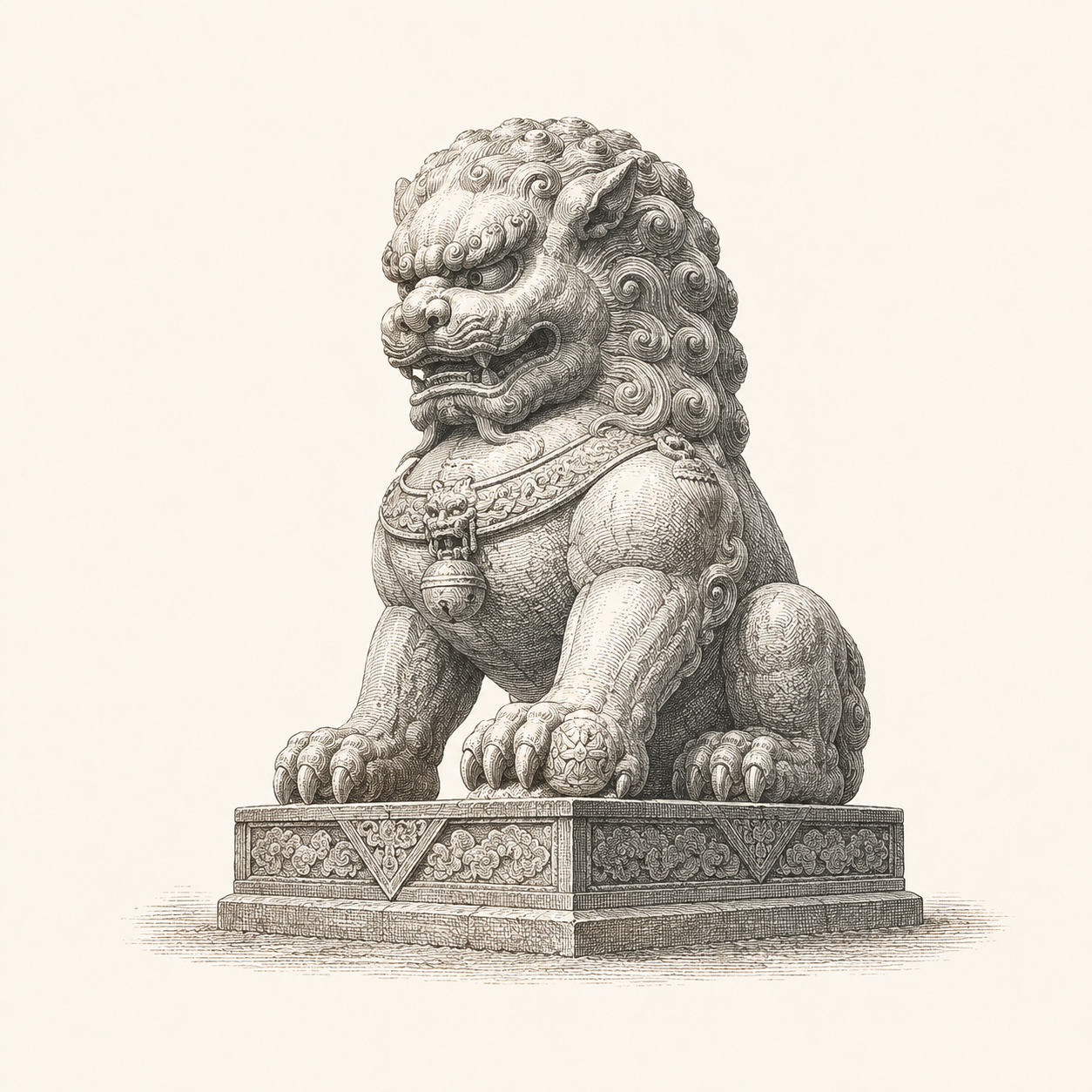
China's foundational rebuttal and the architecture of sovereignty: the construction of a "Porous but Policed" internet that imports capital while filtering dissent.
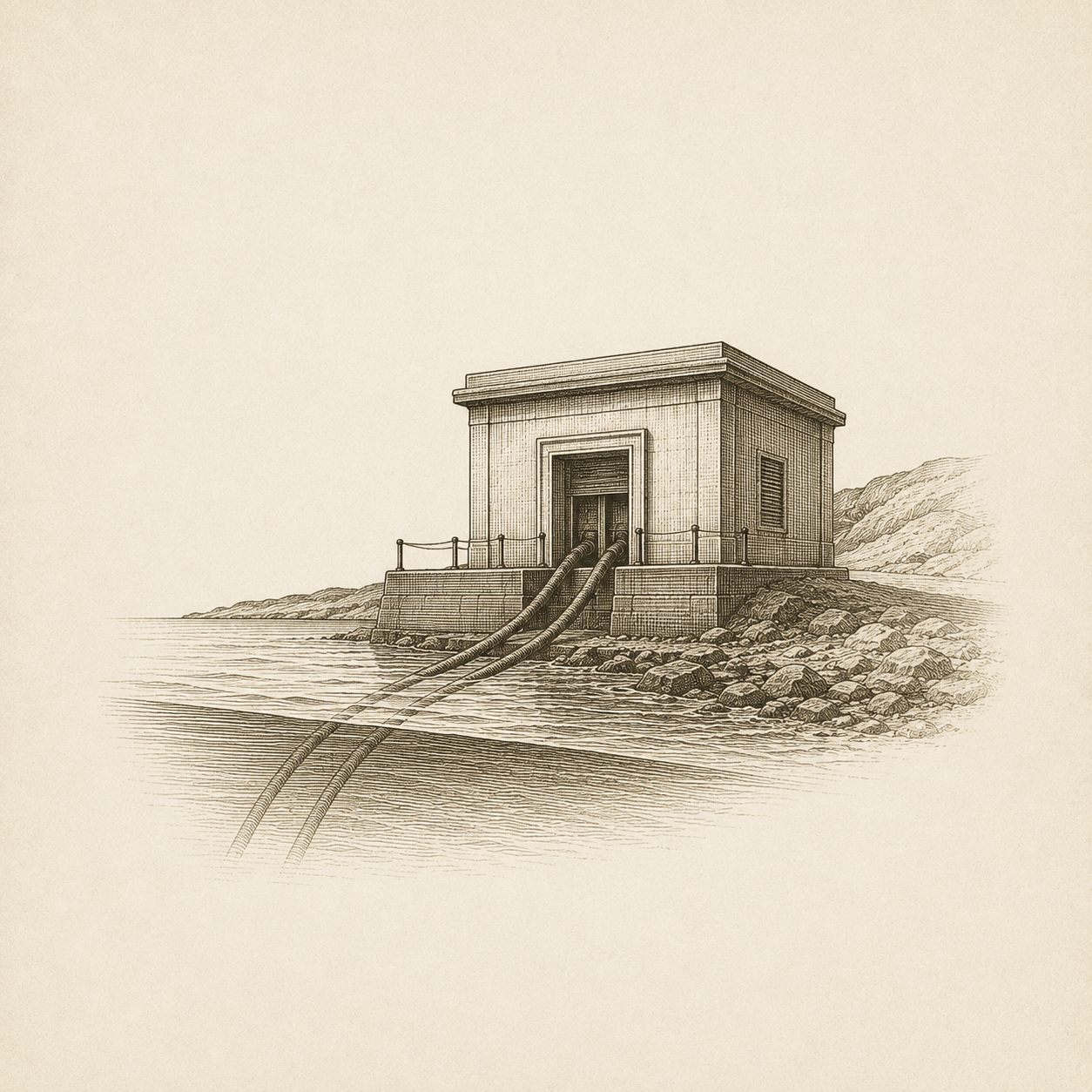
The 2013 Snowden revelations and the resulting collapse of global trust, triggering a race for defensive sovereignty over critical infrastructure.
The balkanization of the web into competing, deeply sovereign technological stacks and the end of globalization as the default state.
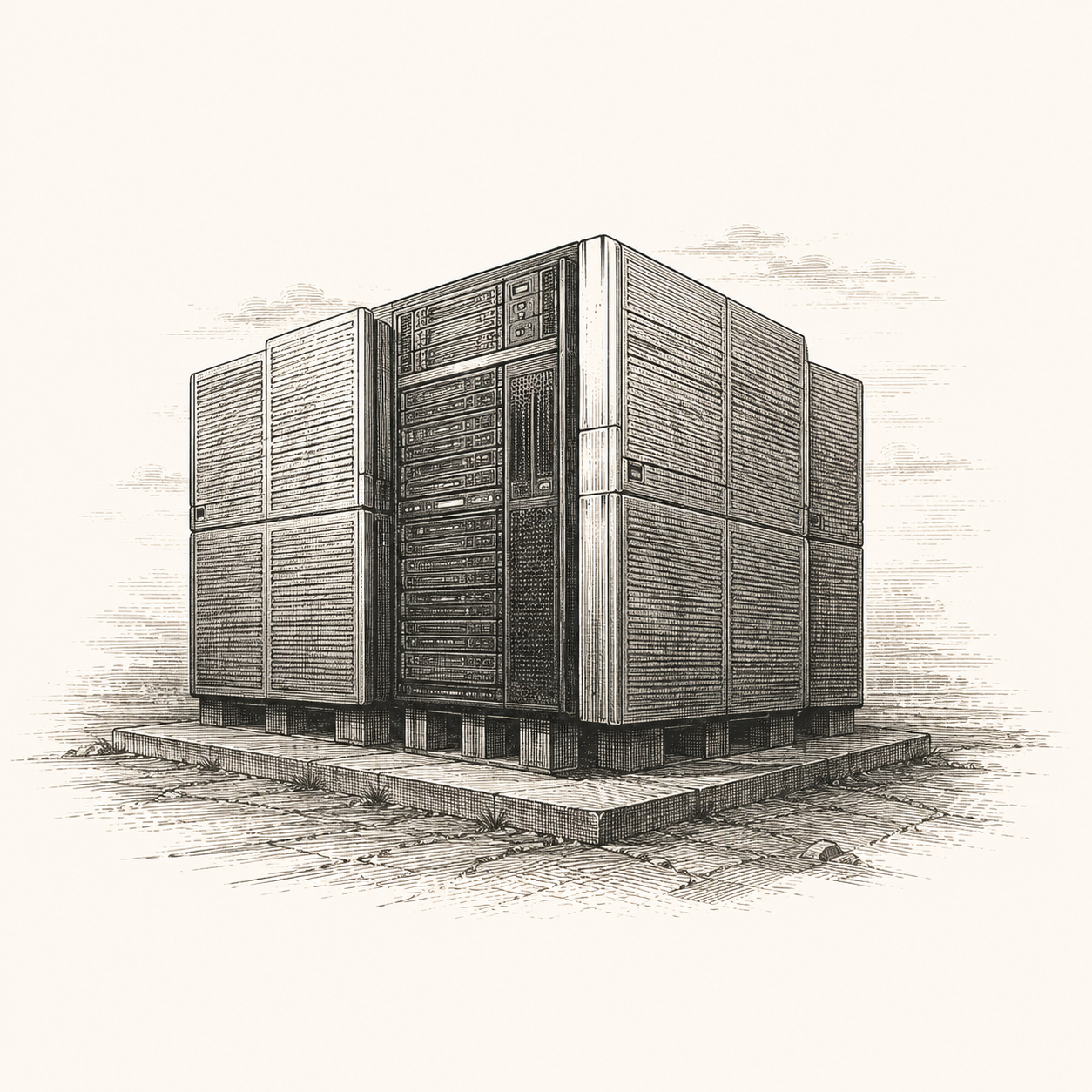
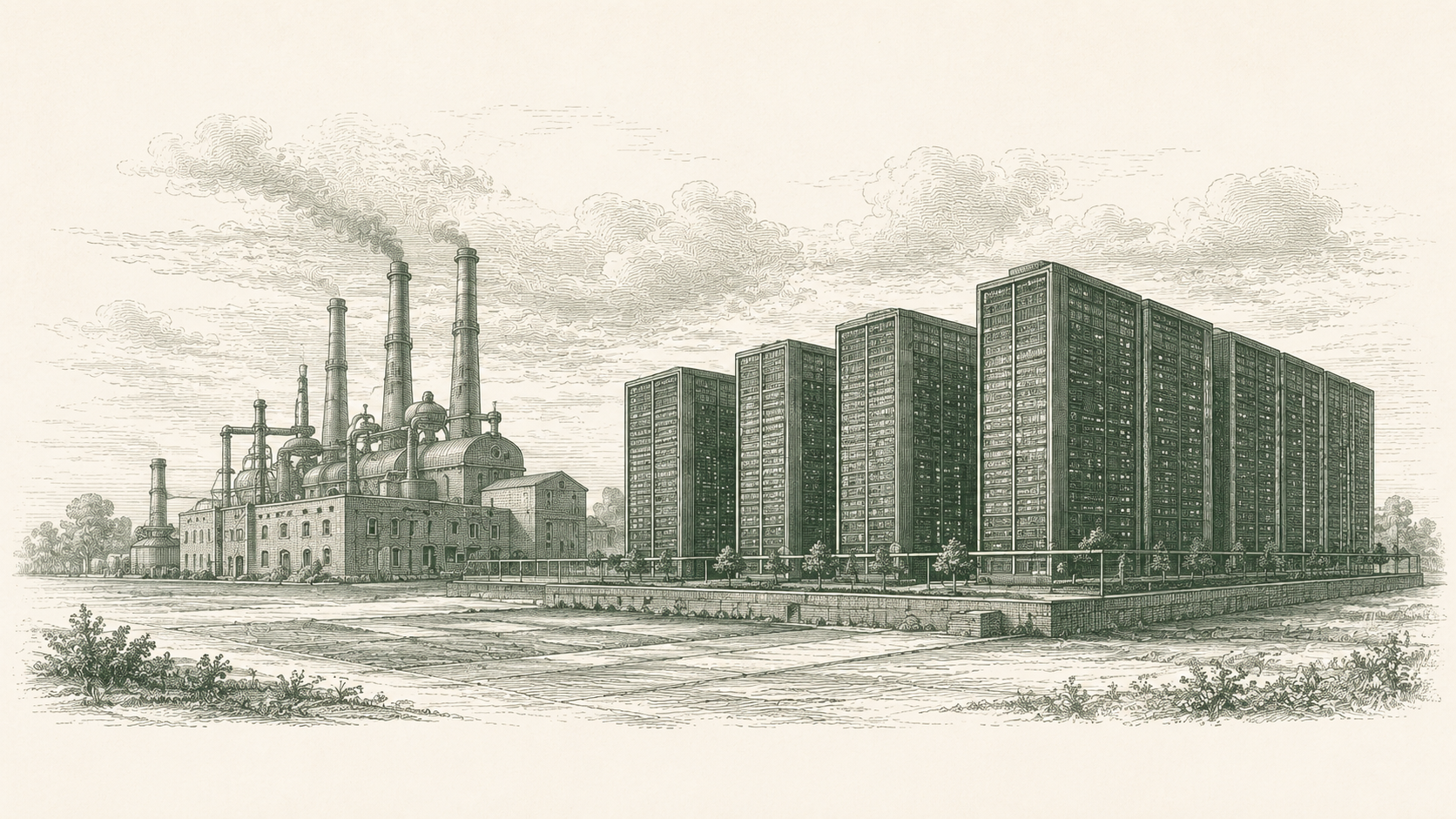
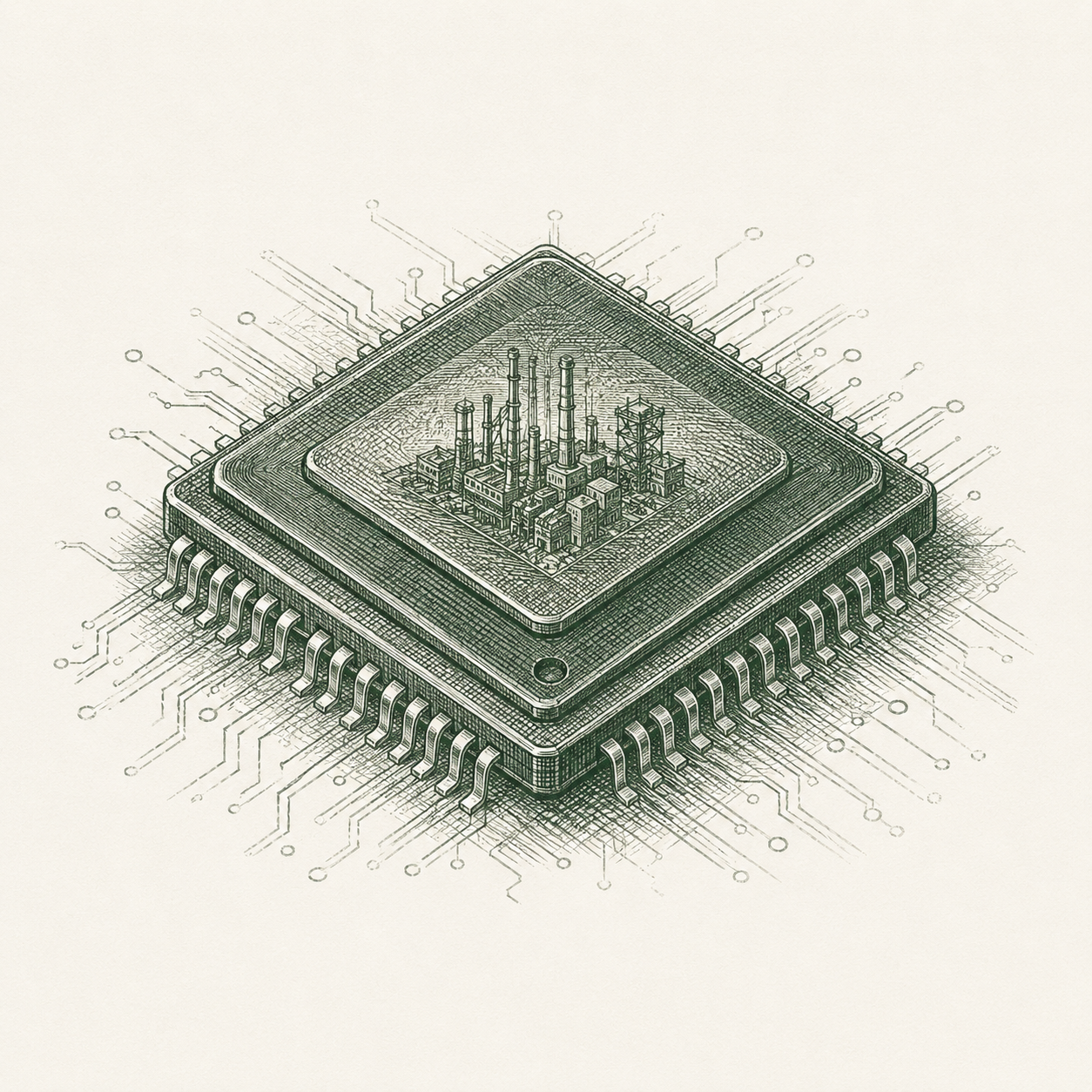
The return of the production function: how frontier AI relies on rival, physical inputs—compute, energy, data, and human talent.
The resurgence of techno-nationalism and industrial policy, as states race to secure domestic capability while denying adversaries access to critical chokepoints.
Tracing the competing intellectual frames—from state realism to techno-accelerationism—that are actively defining what constitutes "rational" policy.
The core tradeoffs that will dictate the future global order: diffusion vs. enclosure, growth vs. legitimacy, and state control vs. corporate power.